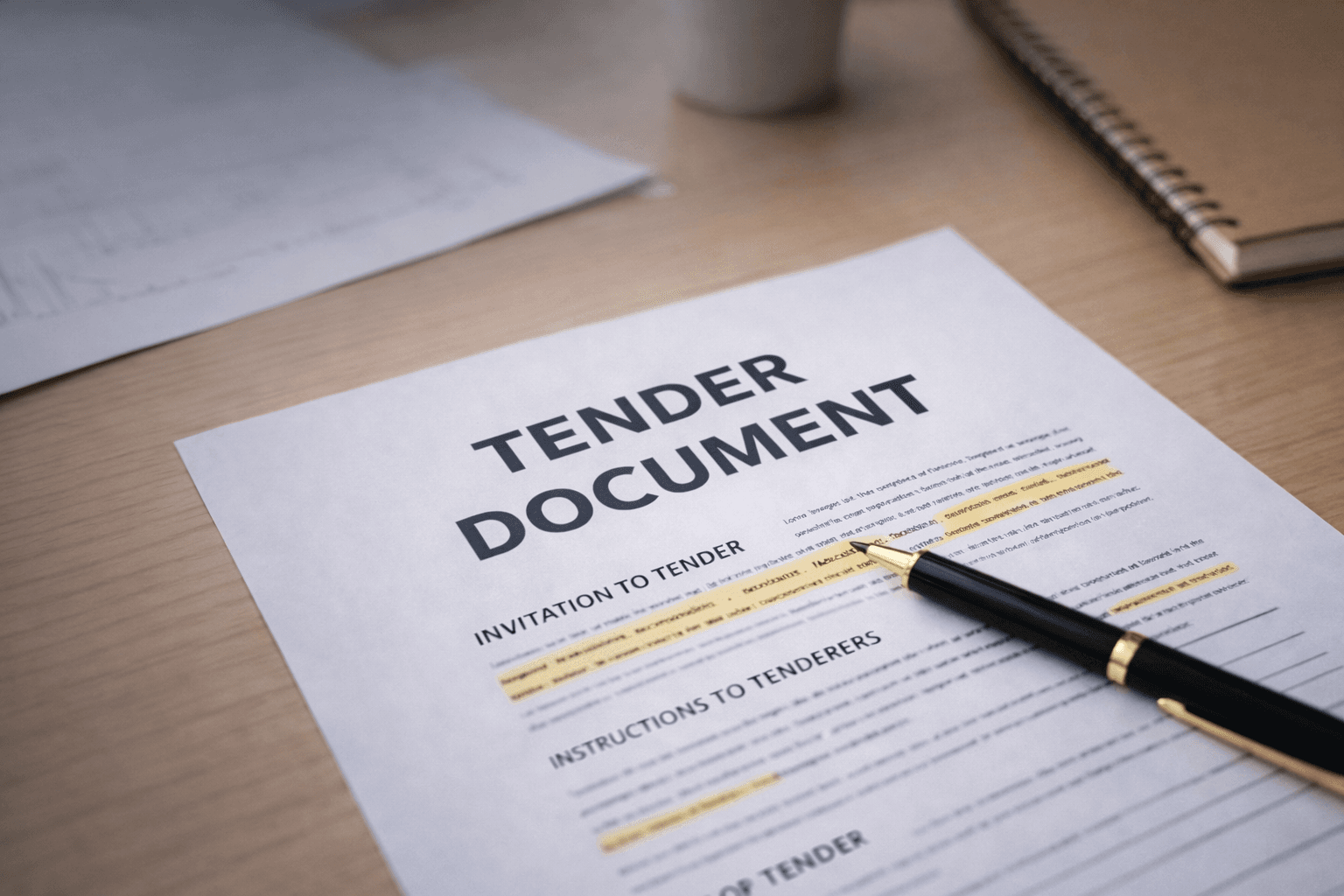
The Government e-Marketplace (GeM) has emerged as a crucial platform for Indian businesses aiming to supply goods and services directly to government buyers. With thousands of tenders published daily across various sectors, it presents vast opportunities for MSMEs, resellers, and manufacturers. However, simply registering on GeM is not enough. Effective and strategic bid management is essential to maintain compliance, remain competitive, and submit bids on time.
Read More

Securing government contracts through tender participation can be highly rewarding, but it is also one of the most resource-intensive functions for any business. From identifying the right opportunities to preparing documentation, submitting bids, managing clarifications, and ensuring compliance, the process requires accuracy, dedication, and continuous monitoring.
Read More
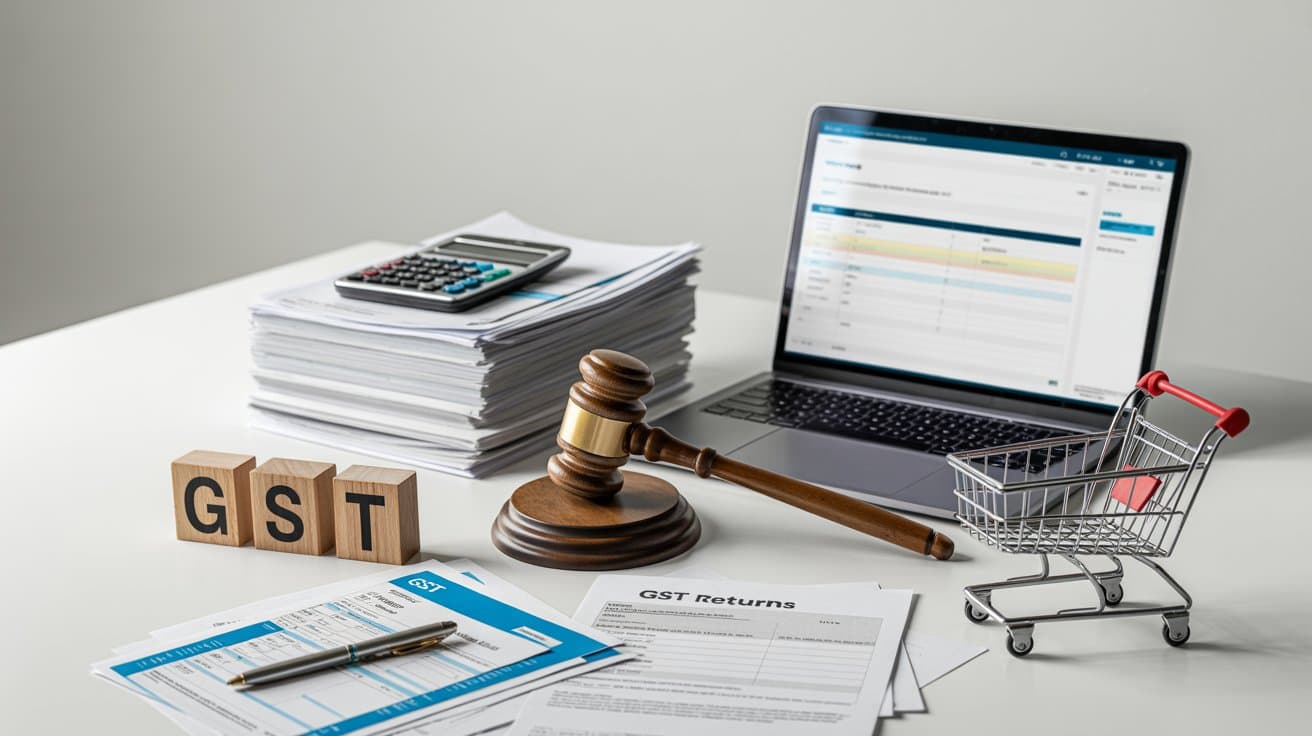
Taxation is one of the most critical yet often confusing aspects for new GeM sellers. From selecting the correct GST rate to issuing compliant invoices and filing accurate returns, every step directly impacts payments, catalog approvals, and overall business credibility. Mistakes in GST or tax details can cause delays in PFMS payments, catalog rejections, or even cancellation of orders by government buyers.

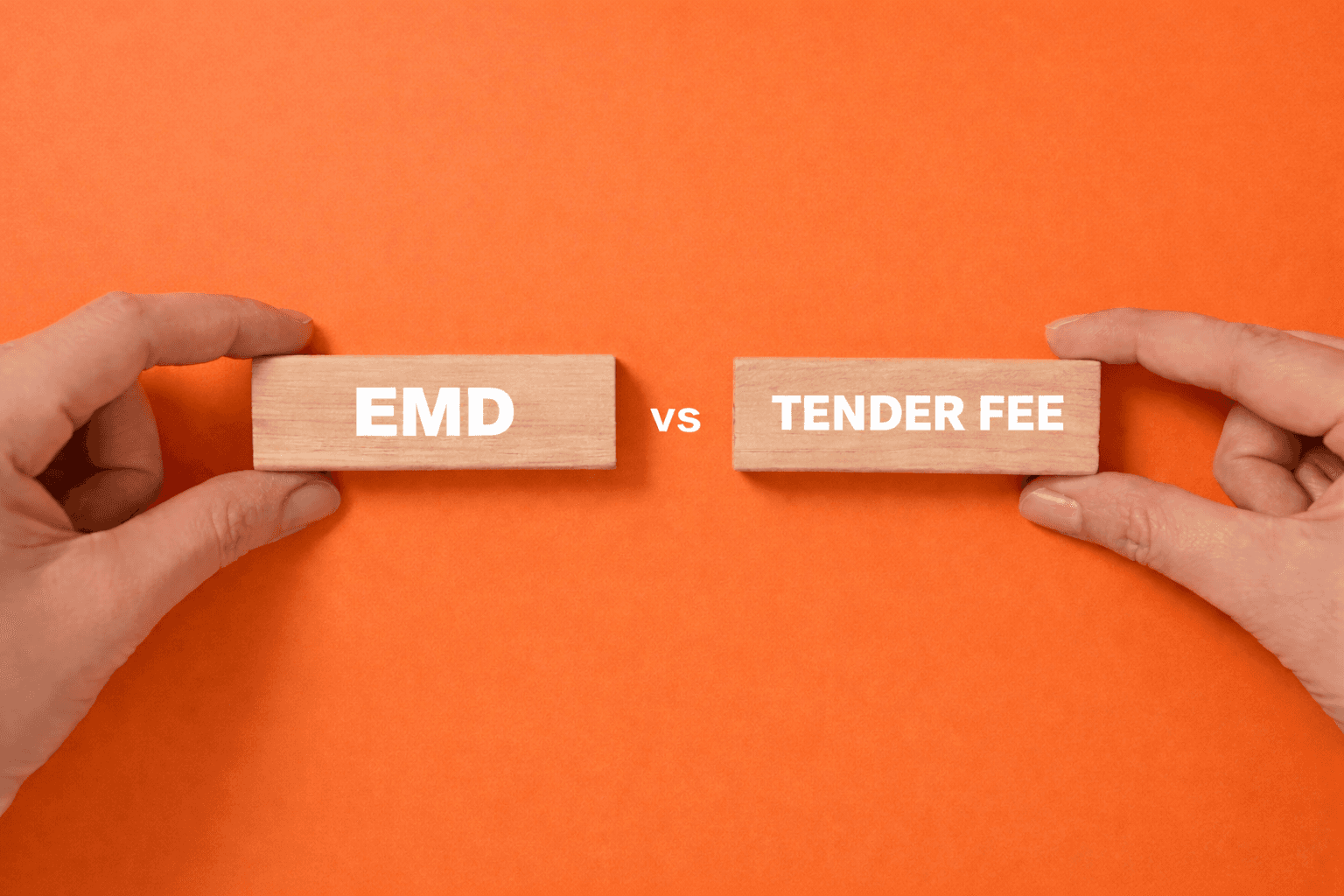
In government tendering, financial safeguards are crucial to ensure bidders participate seriously and comply with tender conditions. Traditionally, this was achieved through an Earnest Money Deposit (EMD), where bidders submitted a refundable security amount. However, EMD often created financial strain, particularly for MSMEs and new participants who lacked the liquidity to block large sums.
Read More
For many first-time bidders, distinguishing between EMD (Earnest Money Deposit) and Tender Fee can be confusing, especially when applying for government tenders outside GeM. While both involve upfront payments, they serve entirely different purposes. Mixing them up can lead to budgeting errors, compliance issues, or even bid rejection.
Read More
For years, government procurement was dominated by large vendors with established reputations, extensive experience, and the capacity to handle high-volume orders. Small businesses rarely had the chance to compete on equal footing. The launch of the Government e-Marketplace (GeM) has transformed this scenario. The platform ensures transparency, equal access, and fair visibility for all registered sellers — regardless of their size.
Read More
For manufacturers, government procurement has always represented a high-value opportunity — but traditionally, it involved multiple intermediaries, lengthy approval cycles, and limited transparency. The Government e-Marketplace (GeM) has changed this system significantly. Today, manufacturers can receive Direct Purchase Orders (DPOs) directly from government buyers without middlemen, complex tenders, or prolonged negotiations.
Read More
Government procurement has traditionally been challenging for startups. Strict eligibility requirements, high turnover thresholds, and lengthy tender processes often prevented new businesses from competing, even when they offered innovative solutions. To bridge this gap, the Government e-Marketplace introduced the GeM Startup Runway Program — a dedicated channel that allows startups to showcase their products and services directly to government buyers without facing conventional barriers.
Read More
GeM Transforms MSME Opportunities The Government e-Marketplace (GeM) ranks as a top platform revolutionizing Micro, Small, and Medium Enterprises across India. As the government emphasizes clear processes, online buying, and small business upliftment, GeM unlocks a procurement world once tough for modest firms to enter.
Read More
Government tender documents can feel overwhelming — long PDFs filled with clauses, annexures, and technical jargon. Many first-time bidders skim a few pages and give up. Yet, this step — carefully reading and understanding the tender document — often decides whether your bid qualifies or gets rejected.
Read More